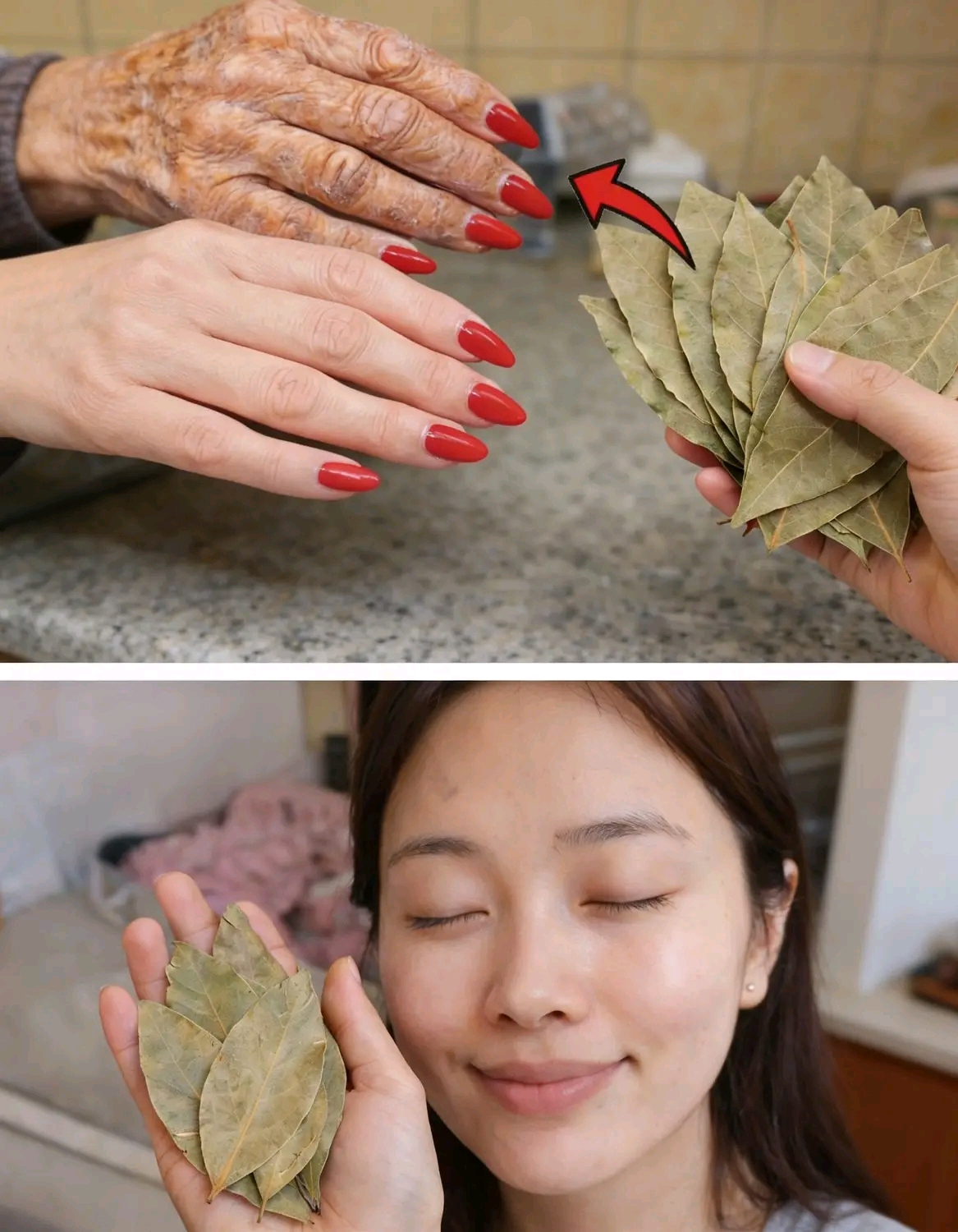
What if exploring this humble herb could reveal practical ways to nurture your skin from the inside out and topically? Stick around—we’ll dive into its potential role, backed by what studies suggest about its compounds, along with safe home ideas and insights you might not have considered.
Why Skin Changes With Age—and Why Natural Approaches Are Gaining Attention
As we pass 40, the body produces about 1% less collagen each year, while elastin fibers weaken over time. Years of sun exposure, pollution, and natural inflammation contribute to oxidative stress from free radicals, leading to drier skin, slower cell turnover, and visible lines or dullness.
You’ve likely built a solid routine with moisturizers, sunscreen, and perhaps gentle exfoliants—these form an excellent foundation. But many people seek additional, low-risk options that work alongside daily care. Bay leaf (Laurus nobilis), a staple in Mediterranean cooking, contains bioactive compounds like eugenol, linalool, and 1,8-cineole, along with phenolic antioxidants. Research highlights the antioxidant and anti-inflammatory potential of these elements in lab and animal models, suggesting they may help combat oxidative stress that affects skin resilience.