Pasta may seem simple to cook, but according to professional Italian chefs, many home cooks unknowingly make mistakes that ruin the final dish.
From adding olive oil to boiling water to rinsing cooked noodles, some of the most popular pasta “hacks” online are actually making your pasta worse.
If you want restaurant-quality pasta at home, here are five mistakes Italian chefs wish everyone would stop making immediately—and what to do instead.
1. Keeping the Pasta and Sauce Separate
One of the biggest mistakes is treating pasta and sauce as two separate components.
Many people cook pasta, place it on a plate, and simply spoon sauce over the top. While it may look fine, that’s not how authentic Italian pasta dishes are meant to be prepared.
Why It’s Wrong
Pasta and sauce are designed to become one dish. When mixed together while still hot, the pasta absorbs flavor and creates a more balanced texture.
Do This Instead
Transfer the pasta directly into the sauce during the final minute of cooking and toss thoroughly before serving.
2. Adding Olive Oil to Pasta Water
This is one of the most common kitchen myths.
Many cooks add olive oil to boiling water believing it prevents pasta from sticking together.
The Problem
Oil floats on top of the water and does very little while the pasta cooks.
After draining, the oil coats the noodles, making it harder for sauces to stick properly.
Better Solution
- Use plenty of water
- Stir during the first few minutes
- Avoid overcrowding the pot
- Use quality pasta
These steps prevent sticking without wasting olive oil.
3. Rinsing Cooked Pasta
Another habit that chefs strongly discourage is rinsing pasta after draining.
Why It’s a Mistake
The starch on the surface of cooked pasta helps sauce cling to the noodles.
Rinsing washes away:
- Flavor
- Texture
- Natural starches
As a result, the sauce often slides off instead of coating the pasta evenly.
The Only Exception
If you’re making a cold pasta salad, rinsing can help cool the pasta quickly and remove excess starch.
For hot pasta dishes, skip the rinse entirely.
4. Breaking Spaghetti Before Cooking
Many people snap spaghetti in half before placing it into the pot.
Italian chefs cringe when they see this.
Why Length Matters
Long pasta is designed to:
- Twirl properly around a fork
- Hold sauce more effectively
- Create a better eating experience
Breaking spaghetti changes both the texture and presentation of the final dish.
The Better Method
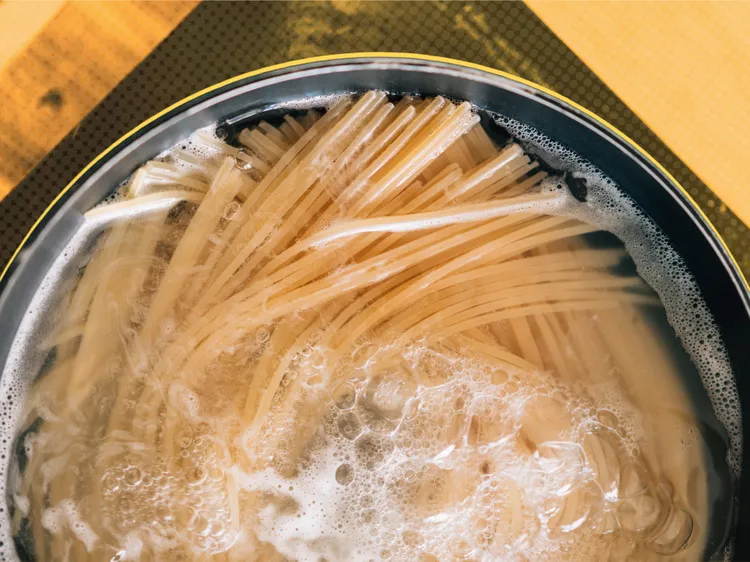
Simply place the full strands into boiling water. Within a few seconds, they’ll soften and slide completely into the pot on their own.
5. Throwing Pasta at the Wall
You’ve probably heard the old trick:
“If the pasta sticks to the wall, it’s done.”
Unfortunately, chefs say this test is completely unreliable.
Why It Doesn’t Work
A sticky noodle usually means the pasta is overcooked and releasing excess starch.
What To Do Instead
Taste the pasta.
A minute or two before the package’s suggested cooking time, remove a noodle and bite into it.
Perfect pasta should be:
- Tender
- Slightly firm in the center
- Never mushy
This texture is known as al dente, which means “to the tooth” in Italian.
3 Italian Chef Tips for Better Pasta Every Time
Now that you know what not to do, here are a few professional techniques that can instantly improve your pasta.
1. Salt the Water Properly
Pasta absorbs flavor while cooking.
Adding enough salt to the water ensures the noodles are seasoned from the inside out.
Many chefs recommend that pasta water should taste slightly salty, similar to a light broth.
2. Save Some Pasta Water
Before draining, reserve about one cup of pasta water.
The starchy liquid helps:
- Thicken sauces
- Create a silky texture
- Help sauce stick to noodles
Professional kitchens use this trick constantly.
3. Finish Cooking Pasta in the Sauce
Instead of fully cooking the pasta in water, remove it about one minute before it’s done.
Transfer it directly into the sauce with a splash of pasta water and finish cooking together.
Benefits
- Better flavor absorption
- Smoother sauce texture
- Restaurant-quality results
This simple step makes a huge difference.
Final Thoughts
Great pasta isn’t about complicated ingredients—it’s about technique.
Avoiding these common mistakes can dramatically improve the flavor, texture, and overall quality of your meals.
Remember:
✔ Don’t add oil to pasta water
✔ Don’t rinse hot pasta
✔ Don’t break spaghetti
✔ Don’t separate pasta and sauce
✔ Don’t trust the wall test
Follow these chef-approved tips and your next pasta dinner might taste better than your favorite restaurant’s.
What’s the biggest pasta mistake you’ve made before? Share your answer in the comments below!