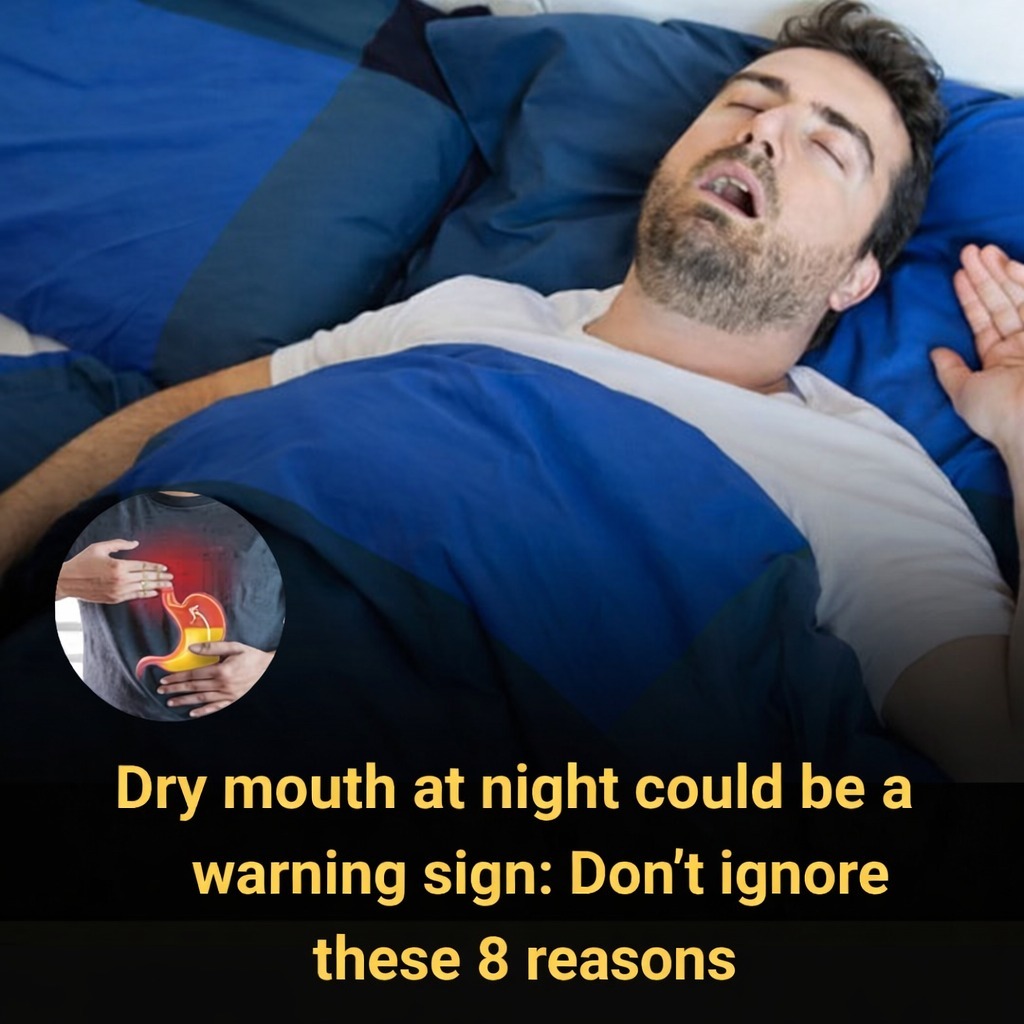
Gastroesophageal reflux disease (GERD) can cause stomach acid to move up into the esophagus, especially at night when lying flat.
Symptoms: Burning sensation in the chest, bitter taste in the mouth, and throat dryness or irritation.
Management: Managing diet and sleeping position (elevating the head) may help reduce symptoms.
6. Diabetes
Dry mouth can be an early sign of diabetes due to high blood sugar levels causing increased urination and dehydration.
Additional Signs: Frequent urination, increased thirst, and unexplained weight loss.
Action: If you suspect diabetes, seek medical testing promptly. Early management is crucial for long-term health.
7. Stress and Anxiety
Mental health can also affect physical symptoms, including saliva production. The body’s stress response can inhibit salivary flow.
Effects: Reduced saliva, teeth grinding (bruxism), and poor sleep quality.
Discover more
Sausages
Garlic
pork
Solution: Relaxation techniques, such as meditation or deep breathing, may help alleviate symptoms.
8. Poor Oral Health
Gum disease or oral infections can contribute to dry mouth, creating a cycle of discomfort and deterioration.
Warning Signs: Bleeding gums, persistent bad breath, and tooth sensitivity.
Prevention: Regular dental check-ups are essential to catch and treat issues early.
Health
Why Dry Mouth Should Not Be Ignored
Persistent dry mouth is more than just an annoyance; it can lead to significant oral health complications. Saliva is essential for protecting the mouth, so reduced production can have long-term effects.